India · By NoorNews Editorial ·
UP के 25 शहरों में बारिश, घर-थाने-अस्पताल में पानी भरा:ऋषिकेश में जीप नदी में फंसी; राजस्थान-दिल्ली समेत 14 राज्यों में अलर्ट
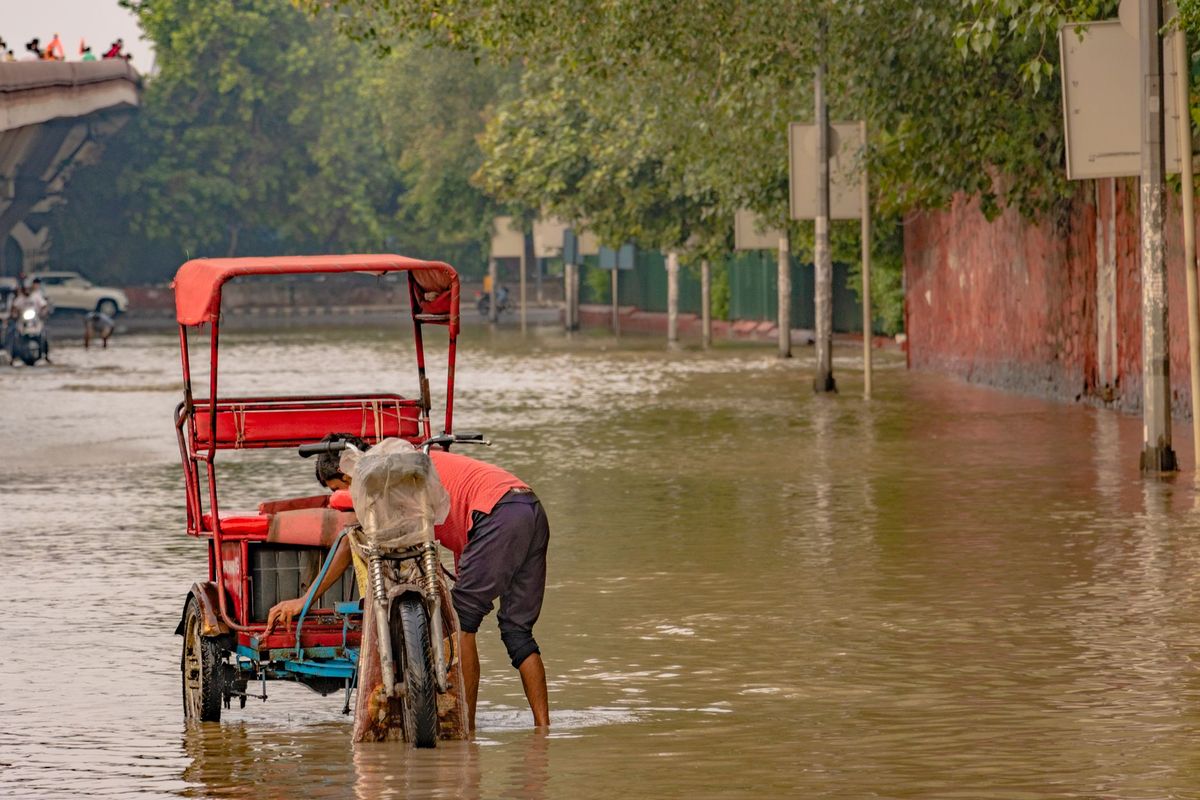
Heavy monsoon rains have triggered widespread flooding across several states in North India, leading to significant infrastructure damage and travel disruptions. According to reports from Dainik Bhaskar, authorities have issued high-alert warnings for 14 states, including Rajasthan and Delhi, as a depression over the Bay of Bengal continues to influence weather patterns across the region.
In Uttar Pradesh, the impact has been particularly severe, with 25 cities reporting waterlogging in residential areas, hospitals, and police stations. Localized reports indicate that over 500 homes in the Kanpur and Unnao districts have been inundated, while a section of the Ganga Expressway in Unnao suffered a structural collapse, with approximately 10 meters of the road surface sinking. In Varanasi, rising water levels have affected over 100 small temples, and school closures have been mandated in at least eight districts to ensure student safety.
Emergency response efforts are underway in neighboring states as well. In Uttarakhand, the State Disaster Response Force (SDRF) successfully rescued two individuals after their vehicle was swept away in the swollen Been River near Rishikesh. Similarly, in Madhya Pradesh, the Mandakini River in Satna has breached its banks, prompting the deployment of disaster management teams and the installation of safety barricades along the riverfronts.
Meteorological departments have cautioned that the heavy rainfall is expected to persist as the low-pressure system moves inland. Residents in affected areas are being advised to avoid low-lying regions and to monitor local government updates for further evacuation orders or safety instructions as the monsoon season continues to impact daily life and critical infrastructure.
Truth Score
80/100
Likely True
Why this score
The report details widespread monsoon-related flooding and infrastructure damage across multiple Indian states, which is consistent with seasonal weather patterns and typical regional reporting from Dainik Bhaskar. While the specific count of cities and localized damage cannot be cross-referenced with international wires, the report is internally consistent and aligns with standard monsoon-season meteorological alerts in North India.
Cross-checked against
No corroborating trusted sources found.
Original report: Dainik Bhaskar