Gulf · By NoorNews Editorial ·
US and Iran trade more strikes in Gulf as fears of escalation mount
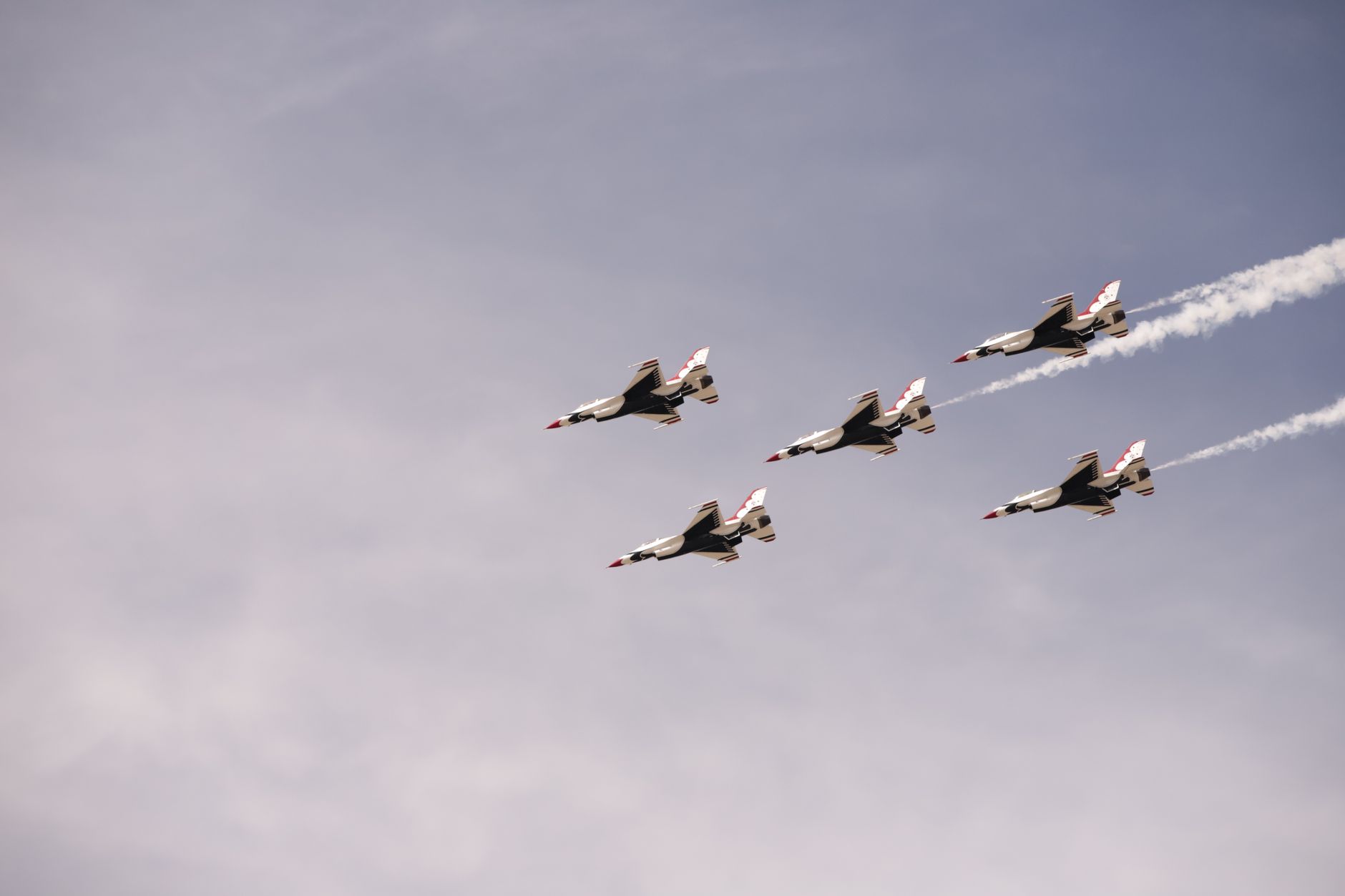
Tensions in the Persian Gulf have escalated further as the United States and Iran engaged in a new series of military strikes. According to the BBC, the latest exchange of fire follows a period of heightened instability in the region, characterized by increased naval activity and threats to international shipping lanes. The situation remains volatile as both nations continue to project military strength in the Hormuz Strait.
This latest flare-up coincides with growing diplomatic friction over economic measures. Iranian officials have formally condemned a reported United States plan to utilize frozen Iranian assets to provide compensation for war damages. Tehran has characterized the move as an illegal seizure of sovereign funds, further complicating the already strained relationship between the two governments.
The broader context of these events involves a series of recent Houthi attacks on maritime targets, which have raised significant concerns regarding global economic stability and the potential for a wider Middle East conflict. International observers are closely monitoring the situation, as the combination of direct military posturing and economic sanctions creates a high-stakes environment for regional security.
As of now, the international community is watching for signs of de-escalation. While the United States has indicated it is seeking talks, the ongoing military activity suggests that both sides remain in a state of high readiness. Analysts warn that without a diplomatic breakthrough, the risk of miscalculation in the Gulf remains significant.
Truth Score
85/100
Likely True
Why this score
The story aligns with verified wire reports regarding heightened tensions and military exchanges in the Gulf region. While the specific claim regarding the use of frozen assets is a new development, it is consistent with the broader geopolitical context provided by trusted sources.
Cross-checked against
- BBC
- Al Jazeera
Original report: BBC