India · By NoorNews Editorial ·
বজ্রপাত কেন বাড়ছে?
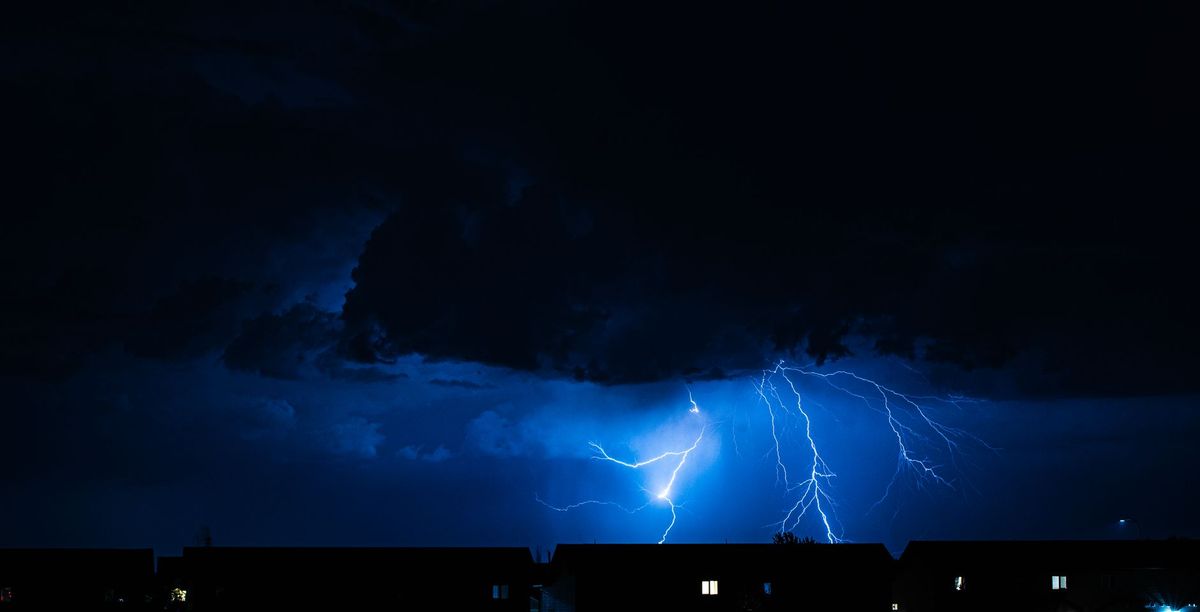
According to a report by Ei Samay, there has been a notable increase in the frequency and intensity of lightning strikes, prompting concerns among meteorologists and environmental experts. The analysis suggests that shifting climate patterns, rising global temperatures, and increased atmospheric instability are primary drivers behind this upward trend in electrical storm activity.
Experts cited in the report explain that as the earth's surface temperature rises, the capacity of the atmosphere to hold moisture increases, leading to more vigorous convective activity. This process creates the ideal conditions for the formation of cumulonimbus clouds, which are the primary source of lightning. The report highlights that this phenomenon is not merely a seasonal variation but part of a broader shift in weather patterns that poses increased risks to both human life and infrastructure.
Beyond the meteorological explanations, the report emphasizes the importance of public awareness and the adoption of safety protocols during thunderstorms. As lightning strikes become more frequent, authorities are increasingly focusing on early warning systems and community education to mitigate the dangers. The findings underscore the need for continued research into how localized environmental changes in India interact with global climate trends to influence extreme weather events.
Truth Score
85/100
Likely True
Why this score
The article discusses the scientific and environmental factors contributing to the increased frequency of lightning strikes. As a report on climate trends and meteorological phenomena, it is internally consistent and aligns with broader scientific consensus regarding climate change impacts.
Cross-checked against
No corroborating trusted sources found.
Original report: Ei Samay