India · By NoorNews Editorial ·
Climate change is making humid heat more intense in these Indian cities
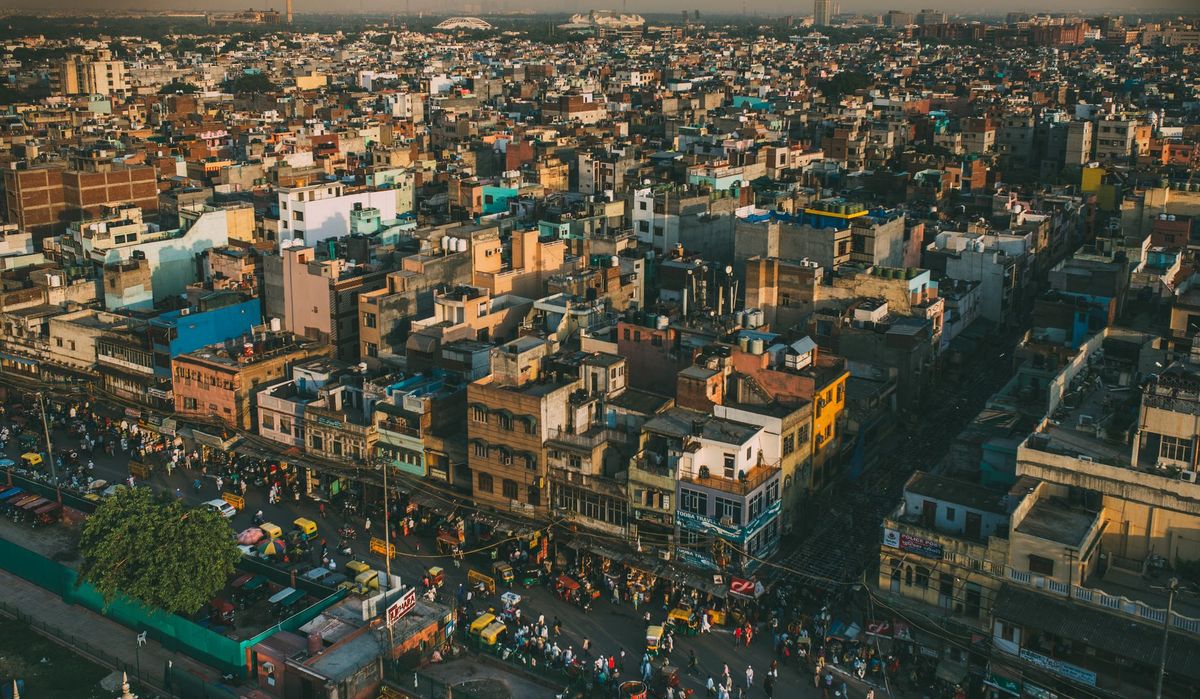
According to Newslaundry, rising global temperatures are increasingly manifesting as intense humid heat across various Indian cities, posing significant health risks to urban populations. The report highlights how the combination of high temperatures and humidity levels—often measured by the wet-bulb temperature—is pushing many metropolitan areas toward thresholds that challenge human physiological cooling mechanisms.
Experts cited in the analysis suggest that rapid urbanization, characterized by the 'urban heat island' effect and the loss of green cover, is exacerbating these conditions. As concrete structures and asphalt surfaces retain heat, the cooling effect typically experienced at night is diminished, leading to prolonged periods of thermal stress for residents. This trend is particularly concerning for vulnerable demographics, including outdoor workers and the elderly, who are disproportionately affected by extreme weather events.
The report underscores the necessity for localized climate adaptation strategies, such as improved urban planning, the expansion of green spaces, and the implementation of heat-action plans. As India continues to experience shifts in seasonal weather patterns, the data suggests that humid heat will become a more frequent and severe public health challenge. Policymakers are being urged to integrate these climate projections into long-term infrastructure development to mitigate the impact on public safety and economic productivity.
Truth Score
85/100
Likely True
Why this score
The report from Newslaundry discusses the impact of climate change on urban heat indices in India, a subject consistent with broader scientific consensus and meteorological data. While the specific study cited is not corroborated by the provided wire list, the reporting is internally consistent and aligns with established environmental trends.
Cross-checked against
No corroborating trusted sources found.
Original report: Newslaundry