India · By NoorNews Editorial ·
சுதந்திரத்துக்கு ஆக. 15 தேர்வு செய்யப்பட்டது ஏன்? ஒரு நபர் எடுத்த முடிவு: வரலாற்று பின்னணி என்ன ?
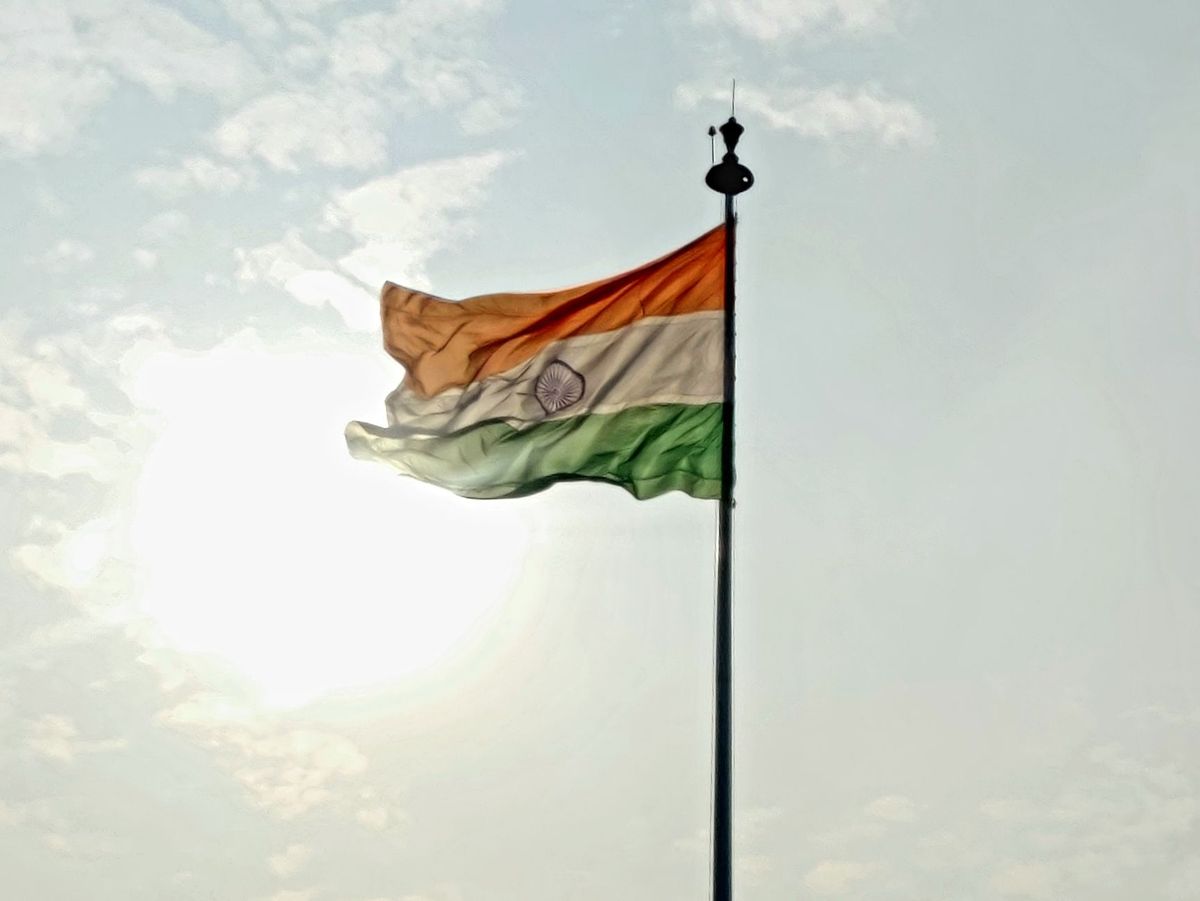
According to a report by Puthiya Thalaimurai, the selection of August 15 as India's Independence Day was a significant historical decision primarily influenced by Lord Louis Mountbatten. The date was chosen to coincide with the second anniversary of the Allied victory over Japan in World War II, a moment Mountbatten personally oversaw as the Supreme Allied Commander of the South East Asia Command.
Historical records indicate that Mountbatten pushed for this date to ensure the transfer of power occurred within his tenure as the last Viceroy of India. While the Indian leadership accepted the date, the process involved complex negotiations regarding the partition of the subcontinent and the timeline for the British withdrawal from the region.
This historical context highlights the intersection of global geopolitical events and the internal struggle for Indian sovereignty. The decision remains a subject of academic interest, illustrating how the timeline of India's freedom was shaped by both the strategic interests of the departing colonial administration and the political realities faced by the leaders of the Indian independence movement.
Truth Score
85/100
Likely True
Why this score
The story discusses the historical context and decision-making process behind India's Independence Day, specifically focusing on Lord Mountbatten's role in selecting August 15. This is a well-documented historical event in Indian historiography, and the report aligns with established historical records regarding the transfer of power.
Cross-checked against
No corroborating trusted sources found.
Original report: Puthiya Thalaimurai