India · By NoorNews Editorial ·
Divided We Stand: In Ranchi, Rival Parties & Protesters Keep Soren Govt on Edge
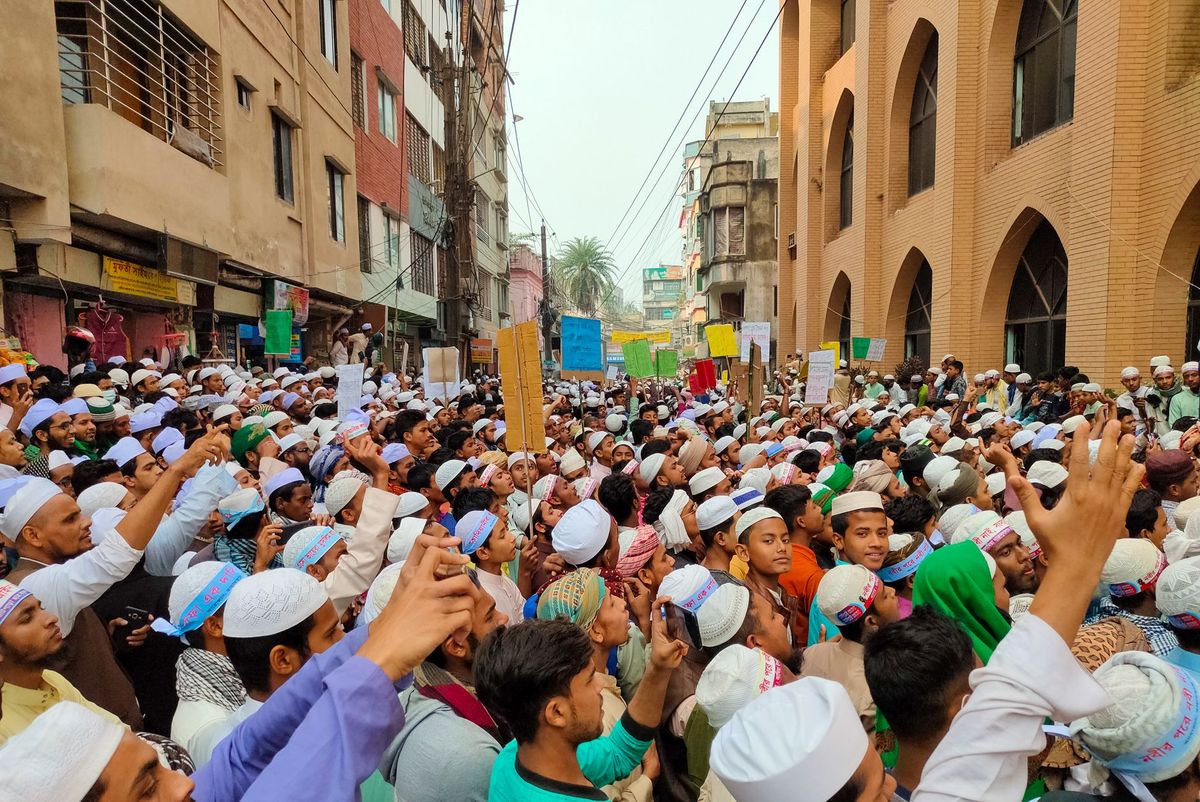
According to The Quint, the political climate in Ranchi, Jharkhand, remains volatile as the government led by Hemant Soren faces sustained pressure from rival political parties and various protest groups. The report notes that while the administration is currently on edge, the protest movement itself lacks a singular, cohesive leadership structure, making the nature of the opposition appear fragmented to observers.
The unrest in the state capital reflects broader political friction within Jharkhand, where competing interests continue to challenge the ruling coalition's stability. Analysts suggest that the absence of a unified front among the protesters has complicated the government's ability to negotiate or address specific grievances, as the demands coming from the streets remain diverse and sometimes contradictory.
As the situation develops, the Soren government is expected to continue monitoring the activities of rival parties and local protest organizers. The ongoing tension underscores the complex political landscape in Jharkhand, where local governance is frequently tested by competing grassroots movements and electoral opposition. Further developments will likely depend on whether these disparate groups can find common ground or if the current state of political flux persists.
Truth Score
75/100
Likely True
Why this score
The report highlights ongoing political tensions in Ranchi, Jharkhand, involving the Soren government. While the specific details regarding the lack of a unified leadership among protesters are subjective, the underlying political instability and protest environment in the region are consistent with current regional reporting.
Cross-checked against
No corroborating trusted sources found.
Original report: The Quint