India · By NoorNews Editorial ·
From kanwars to commerce: Sawan's pop-up economy
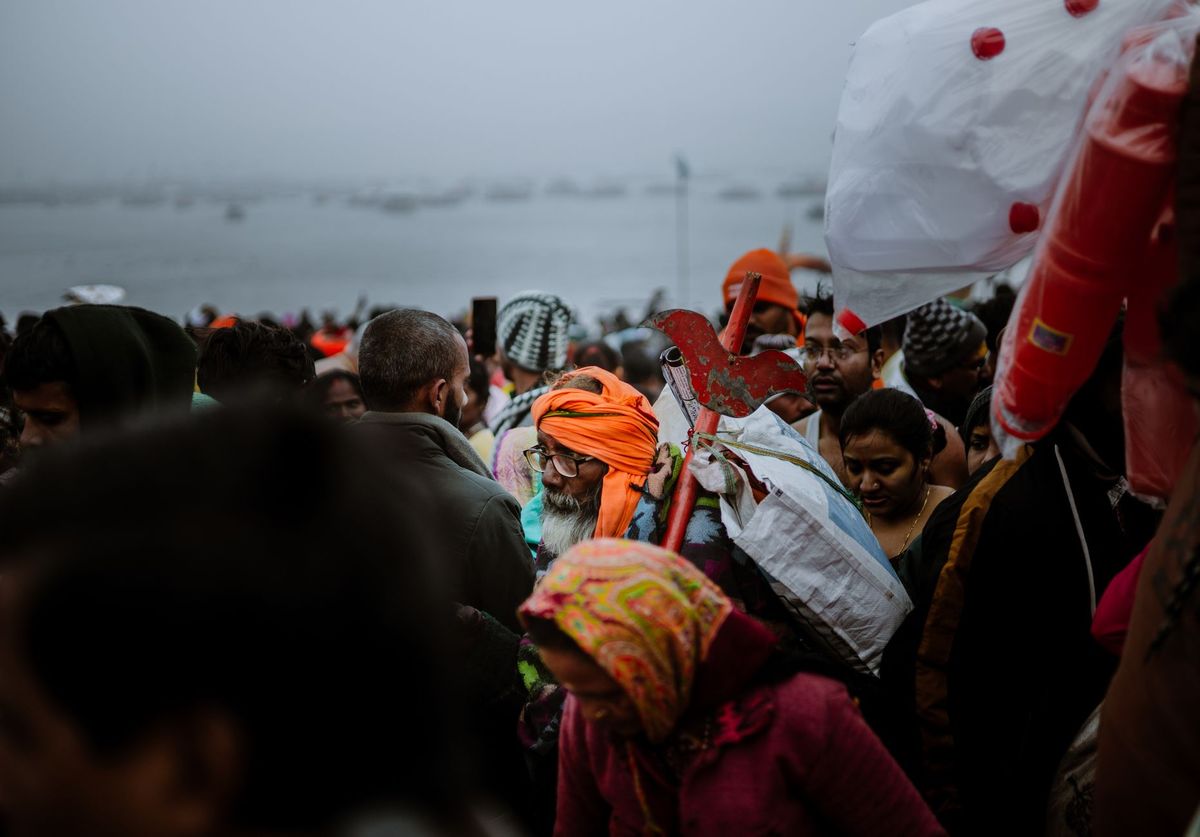
According to the Economic Times, the annual Sawan pilgrimage period has triggered a significant surge in economic activity across various Indian states. The influx of millions of devotees, known as Kanwariyas, has created a distinct 'pop-up economy' that provides a seasonal boost to local businesses, ranging from small-scale food vendors and textile sellers to transport services.
This seasonal phenomenon is characterized by the rapid establishment of temporary stalls and service points along major pilgrimage routes. Local economies often see a marked increase in demand for specific goods, including traditional attire, religious offerings, and refreshments, as communities prepare to host the large number of travelers moving through their regions. The economic impact is particularly pronounced in towns and cities situated along the primary paths taken by the pilgrims.
Beyond the immediate retail benefits, the Sawan period highlights the broader integration of religious tourism into the regional economic framework. While the surge is temporary, it represents a critical window of revenue for many informal sector workers and small enterprises. Analysts note that the scale of this activity continues to grow, reflecting both the enduring cultural significance of the pilgrimage and its evolving role as a driver of local commerce during the monsoon season.
Truth Score
80/100
Likely True
Why this score
The story describes the seasonal economic impact of the Sawan pilgrimage in India, a well-documented annual phenomenon. While the specific Economic Times report is single-sourced, the subject matter is a matter of public record and consistent with established seasonal economic trends in the region.
Cross-checked against
No corroborating trusted sources found.
Original report: Economic Times