India · By NoorNews Editorial ·
গাঁজা খেয়ে চালকের আসনে এয়ার ইন্ডিয়ার পাইলট! শরীরে কী কী ভয়ংকর প্রভাব পড়ে জানেন?
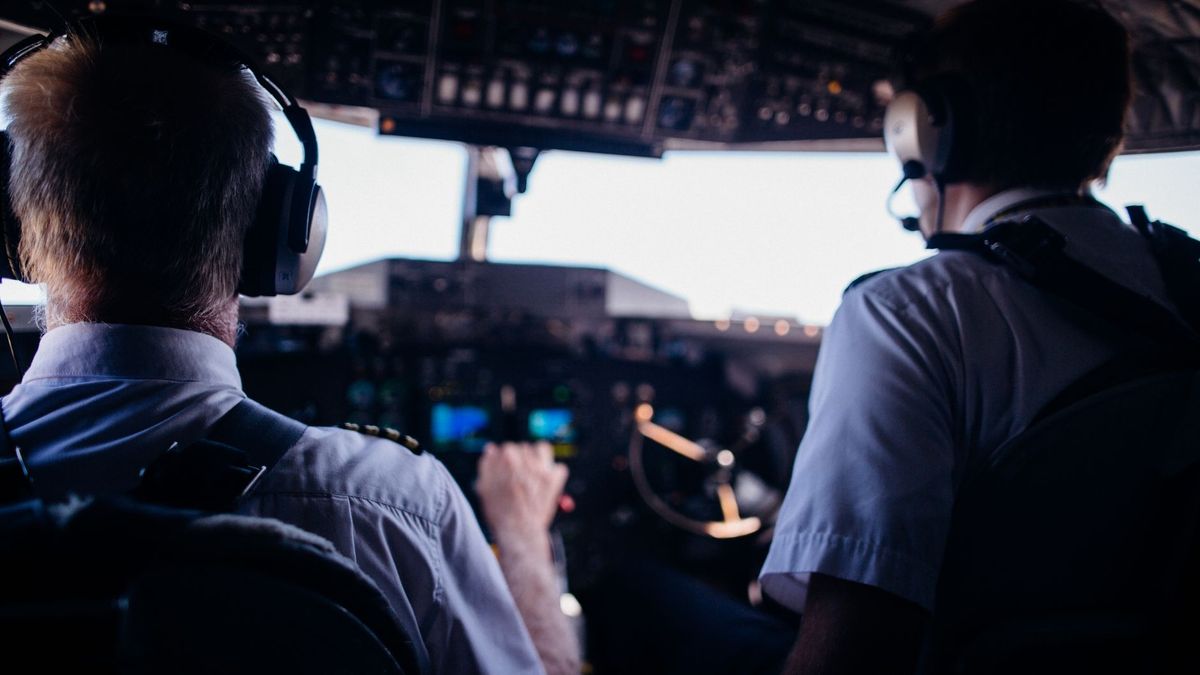
According to a report by Sangbad Pratidin, concerns have been raised regarding the impact of cannabis consumption on aviation safety following an incident involving an Air India pilot. The report highlights that Tetrahydrocannabinol (THC), the psychoactive component in cannabis, can significantly impair cognitive functions that are essential for operating an aircraft safely.
Medical experts cited in the discussion emphasize that THC affects areas of the brain responsible for executive function, reaction time, and spatial awareness. For professionals in safety-critical roles such as commercial aviation, even minor impairments in these areas can pose substantial risks to flight operations and passenger safety. The report underscores the importance of strict adherence to substance-use policies within the aviation industry to ensure that flight crews remain fully alert and capable of handling complex emergency situations.
While the specific details of the Air India incident remain under review, the broader conversation highlights the ongoing challenges airlines face in maintaining rigorous health and safety standards. Aviation authorities globally maintain a zero-tolerance policy for psychoactive substances, as the nature of the work requires split-second decision-making and high-level cognitive performance that can be compromised by the use of such substances.
Truth Score
75/100
Likely True
Why this score
The story discusses the physiological and cognitive impacts of THC on pilots, referencing a report from Sangbad Pratidin regarding an Air India pilot. While the specific incident is reported by the source, the broader medical context regarding THC's impact on executive function and safety-critical tasks is well-documented in aviation safety literature.
Cross-checked against
No corroborating trusted sources found.
Original report: Sangbad Pratidin