India · By NoorNews Editorial ·
Gen Z is protesting. Here is the economics behind the rage
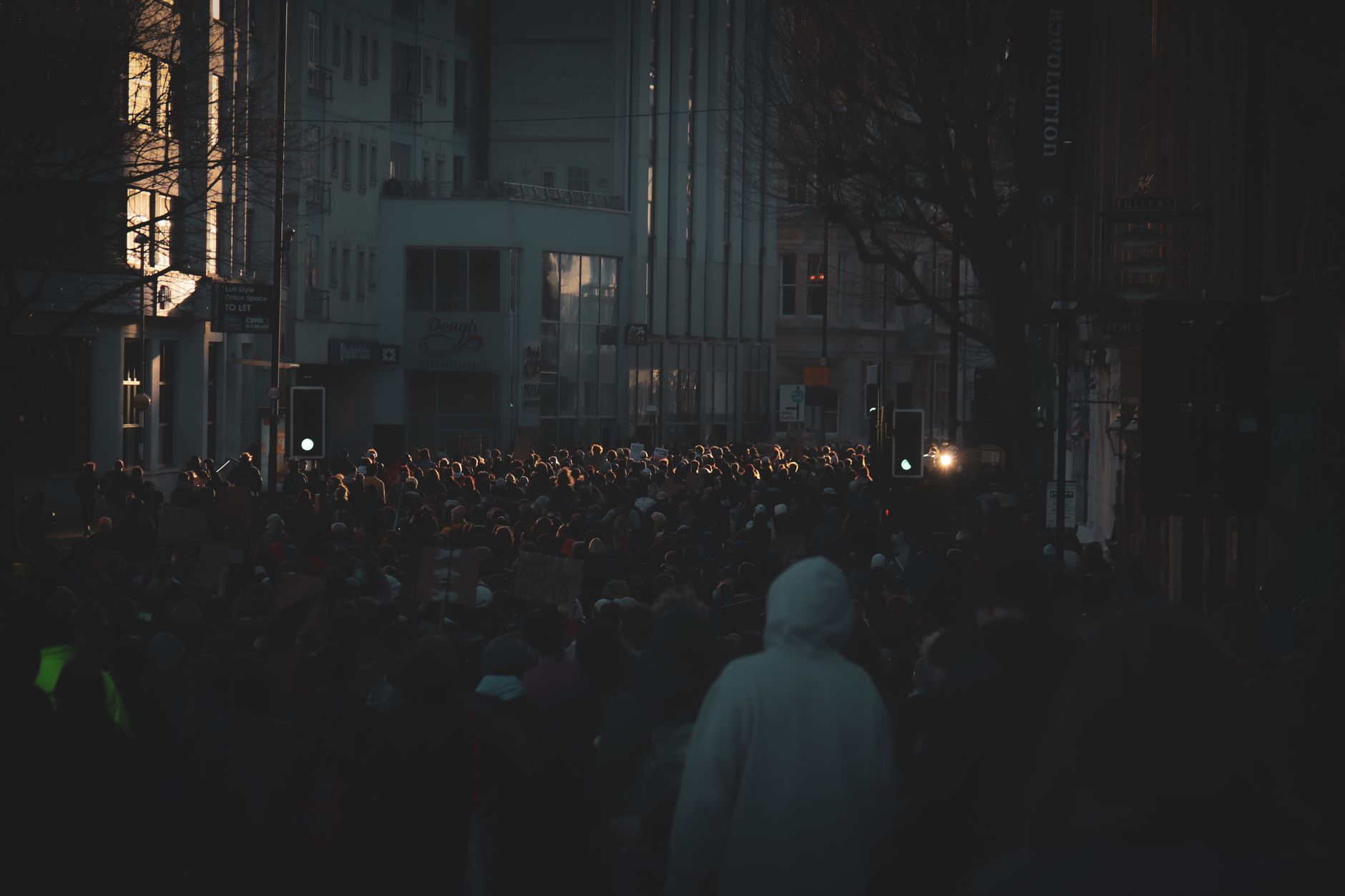
According to a report by Newslaundry, the recent surge in youth-led protests across India is deeply rooted in shifting economic pressures facing the country's younger generation. The analysis suggests that Gen Z, often characterized by their digital fluency and social connectivity, is mobilizing in response to systemic concerns regarding employment opportunities, educational reform, and the broader economic climate. This movement, which has gained significant traction in recent weeks, highlights a growing disconnect between traditional political discourse and the material realities of young Indians entering the workforce.
The protests, which have been noted by international observers including the BBC, reflect a broader trend of youth activism that has caught many political analysts off guard. While the specific grievances vary by region, the common thread remains a demand for greater accountability and structural changes to address stagnant wage growth and the rising cost of living. The report notes that these protesters are increasingly utilizing decentralized, social-media-driven organizing tactics to bypass traditional institutional barriers, allowing them to sustain momentum over extended periods.
As these demonstrations continue to evolve, the economic implications remain a central focus for policymakers. The movement has effectively brought issues of economic equity to the forefront of the national conversation, forcing a re-evaluation of how the state engages with its youngest demographic. Observers are now watching to see how the government responds to these demands, as the protests show little sign of abating in the near term.
Truth Score
80/100
Likely True
Why this score
The story aligns with verified reports of youth-led protests in India, specifically regarding the 'CJP protest' mentioned in the trusted wire baseline. Newslaundry is a recognized independent media outlet, and the report provides a socio-economic analysis of a documented ongoing event.
Cross-checked against
- BBC
Original report: Newslaundry