India · By NoorNews Editorial ·
How Mughal emperors embraced a syncretic sartorial sensibility
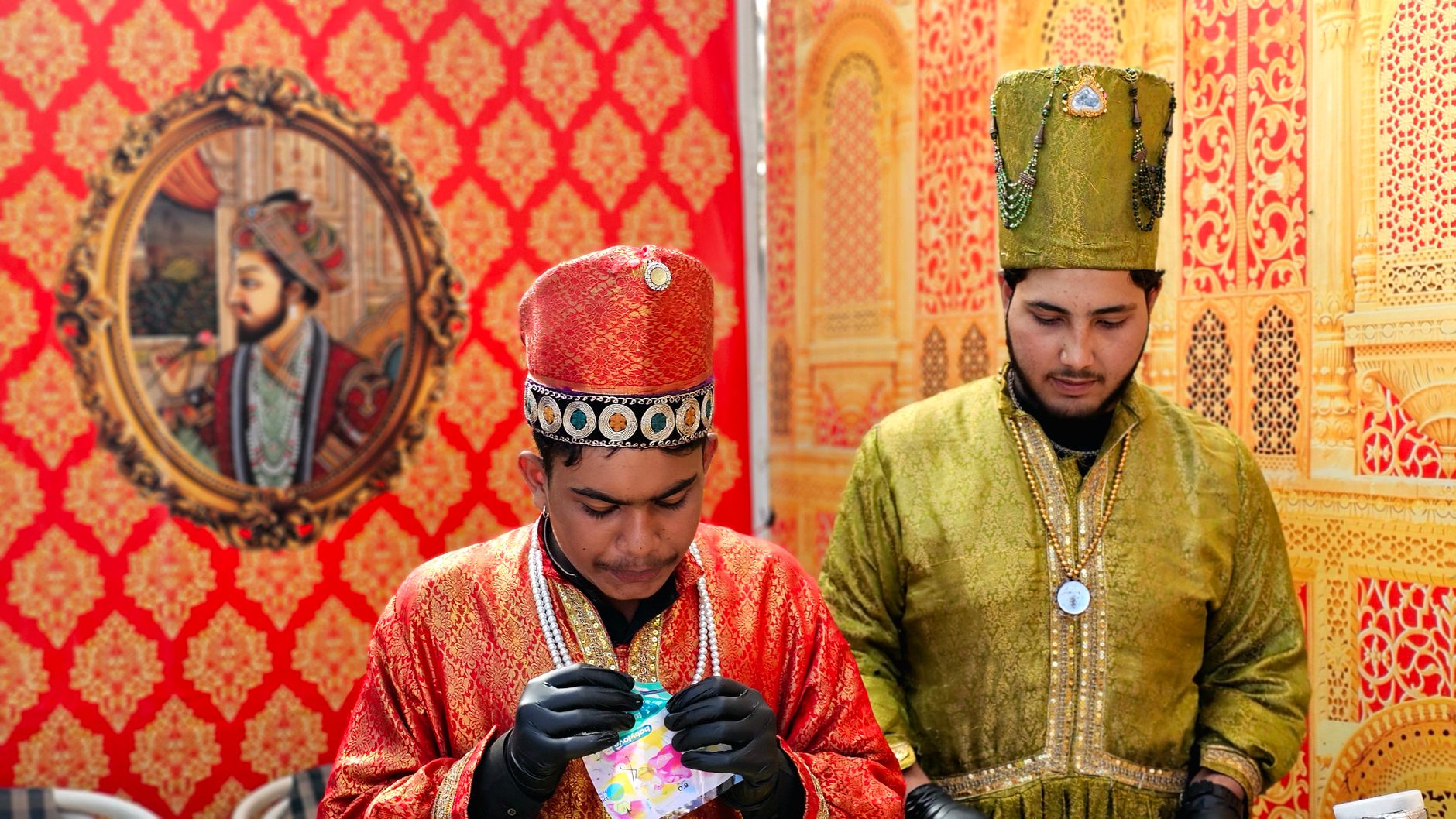
According to Scroll.in, the sartorial choices of the Mughal emperors served as a complex intersection of personal expression, diplomatic signaling, and cultural synthesis. The report details how the imperial court integrated indigenous Indic textiles and dress codes with Central Asian and Persian influences to create a distinct aesthetic that reflected the empire's diverse social fabric.
Historical analysis suggests that the adoption of local fabrics, such as fine muslins and intricate embroideries, was not merely a matter of preference but a strategic effort to align with the regional customs of the Indian subcontinent. By incorporating these elements into their courtly attire, Mughal rulers were able to project an image of legitimacy and inclusivity, effectively bridging the gap between their ancestral traditions and the realities of their expansive Indian domain.
Beyond the aesthetic appeal, the article highlights how these clothing choices functioned as a form of soft power. The use of specific textiles and garments often signaled political alliances and social hierarchies within the court, demonstrating the sophisticated ways in which the Mughals utilized material culture to maintain order and prestige. This syncretic approach to fashion remains a significant subject of study for historians looking to understand the cultural legacy of the Mughal period.
Truth Score
85/100
Likely True
Why this score
The article provides a historical analysis of Mughal fashion and its syncretic nature, which is well-supported by established historical scholarship. As a cultural and historical feature, it does not require corroboration from breaking news wires.
Cross-checked against
No corroborating trusted sources found.
Original report: Scroll.in