India · By NoorNews Editorial ·
‘I apologised, threats did not stop’: after Jantar Mantar protest, women face doxxing, calls to 'teach them a lesson'
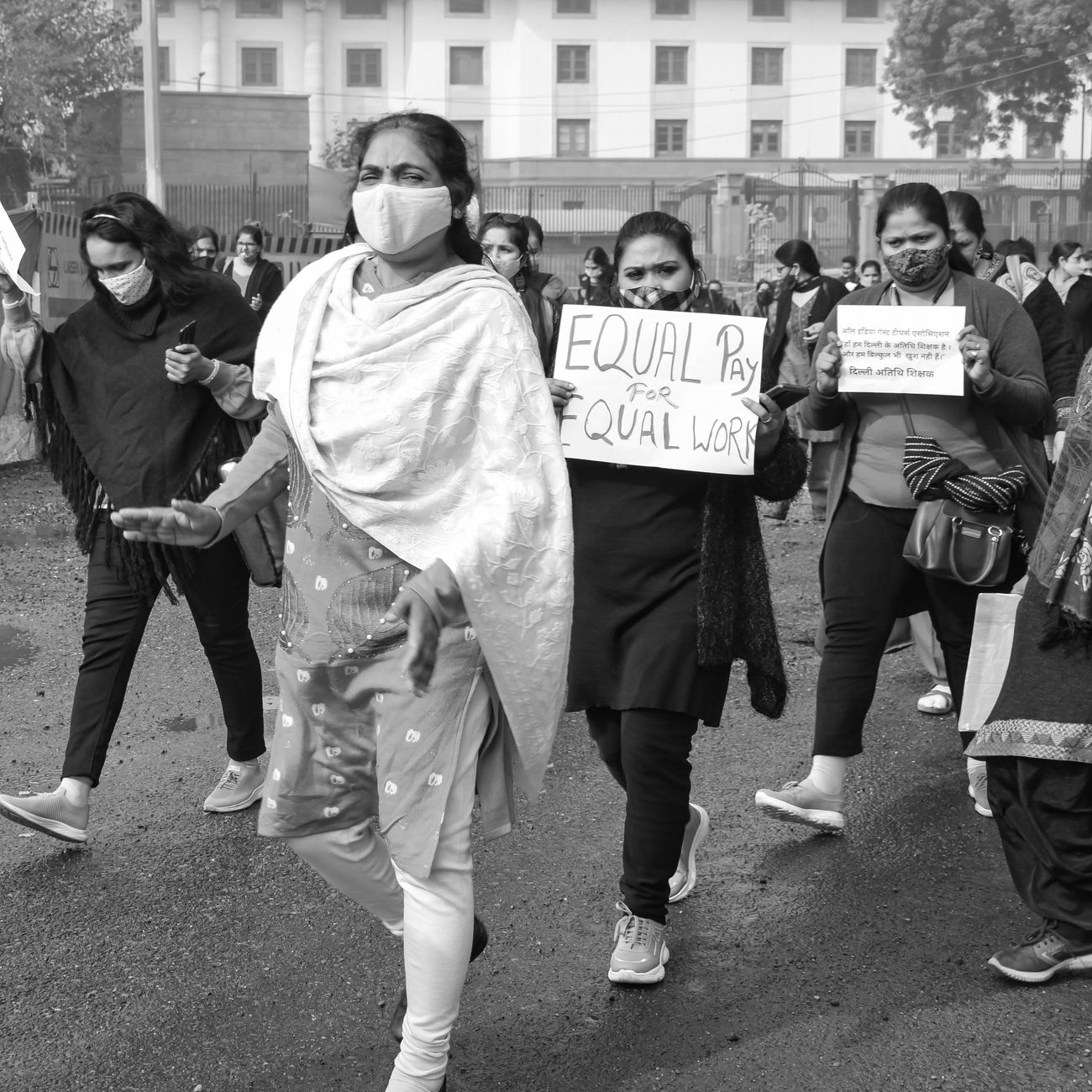
According to a report by The Hindu, women who participated in a recent protest at Jantar Mantar in New Delhi are facing a wave of severe online harassment. Protesters have reported being targeted with death and rape threats, as well as the unauthorized circulation of their personal information, a practice commonly referred to as doxxing. The harassment appears to be a backlash against accusations that the protesters insulted the Indian Army or the Prime Minister during the course of their demonstration.
Participants stated that even after issuing apologies or attempting to clarify their positions, the targeted campaigns against them have continued unabated. The report highlights how digital platforms are being utilized to coordinate these attacks, with calls to 'teach them a lesson' circulating widely among anonymous accounts. This incident underscores growing concerns regarding the safety of activists and the use of social media as a tool for intimidation in the wake of public dissent.
Digital rights advocates have noted that such patterns of harassment often serve to silence political participation, particularly among women. The protesters involved have expressed fear for their personal safety as their contact details and residential information continue to be shared across various online forums. As of now, the situation remains a point of contention, reflecting the broader challenges of managing online conduct and protecting individual privacy in the context of highly polarized political debates in India.
Truth Score
75/100
Likely True
Why this score
The report from The Hindu provides a detailed account of online harassment following a specific public protest in India. While the claims of doxxing and threats are specific to the experiences of the protesters, the report is consistent with documented trends regarding digital safety and political discourse in the region.
Cross-checked against
No corroborating trusted sources found.
Original report: The Hindu