India · By NoorNews Editorial ·
India faces $35 billion annual renewable financing gap
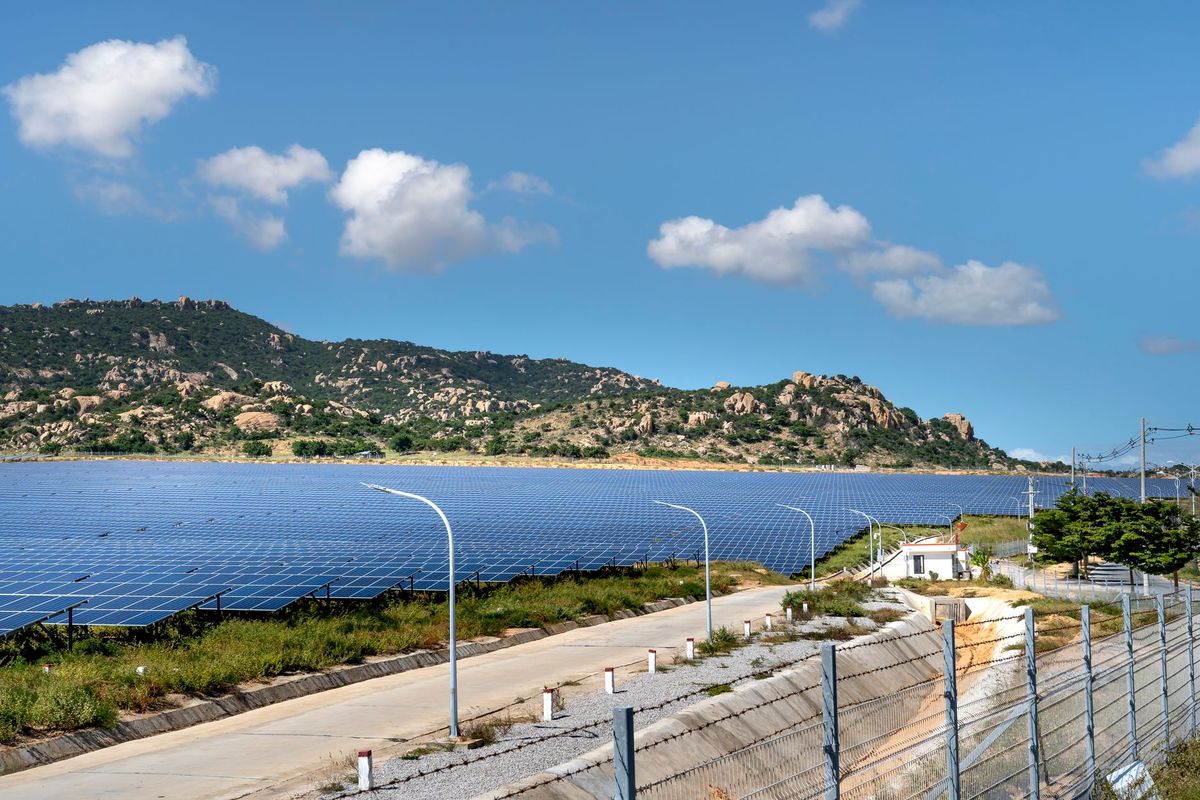
According to the Times of Oman, India is facing a significant annual financing gap of approximately $35 billion as it works toward its goal of reaching 500 GW of non-fossil fuel capacity. This shortfall highlights the immense capital requirements needed to transition the nation's energy infrastructure away from traditional sources. The target is a cornerstone of India's climate commitments and its broader strategy for sustainable economic development.
The financing challenge stems from the high upfront costs associated with large-scale solar and wind projects, as well as the need for grid modernization and energy storage solutions. Experts suggest that bridging this gap will require a combination of increased domestic investment, international climate financing, and policy reforms designed to de-risk renewable energy projects for private investors.
As India continues to expand its renewable footprint, the ability to secure consistent funding remains a critical factor in maintaining the pace of development. The government has been actively exploring various financial instruments and public-private partnerships to attract the necessary capital. Failure to address this funding deficit could potentially delay the timeline for achieving the 500 GW milestone, which is essential for meeting the country's long-term environmental and energy security objectives.
Truth Score
75/100
Likely True
Why this score
The report from the Times of Oman cites a specific financial challenge regarding India's renewable energy transition. While the figure is a projection rather than a historical fact, it aligns with standard economic analysis regarding India's ambitious 500 GW target.
Cross-checked against
No corroborating trusted sources found.
Original report: Times of Oman