India · By NoorNews Editorial ·
Inside CJP’s rise: How a viral ‘cockroach’ joke became India’s biggest Gen Z protest movement
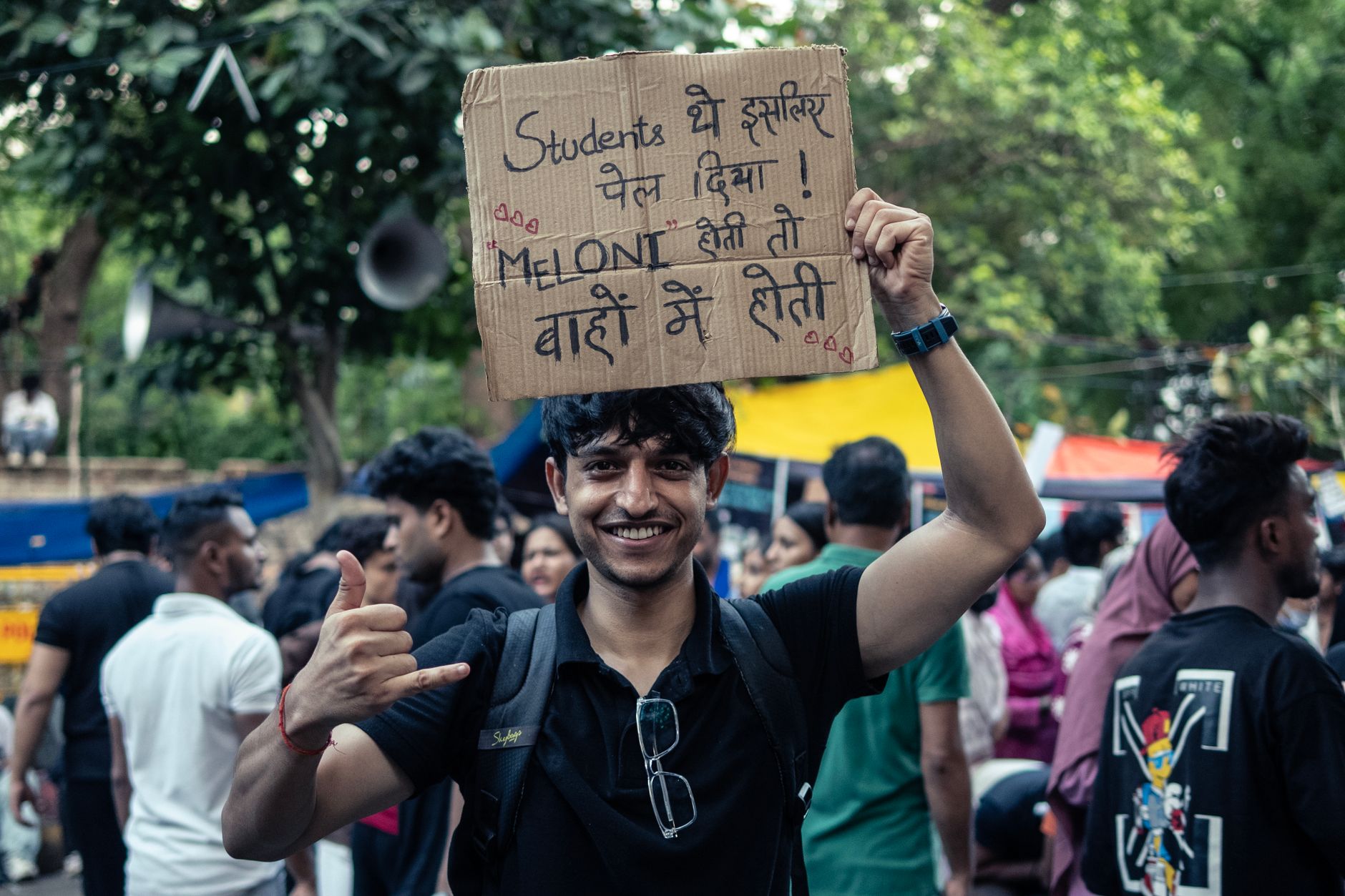
According to Gulf News, the recent wave of student-led demonstrations in India, which gained national attention under the moniker of the 'cockroach' protest, has culminated in the resignation of the country's education minister. The movement, which saw significant participation from Gen Z activists, utilized the viral term as a symbol of resilience and persistence against administrative policies. Protesters had been calling for systemic changes within the education sector, citing concerns over curriculum standards and institutional governance.
The protests, which escalated over several weeks, were marked by widespread social media engagement and large-scale public demonstrations. Reports from the ground indicated that authorities had attempted to disperse crowds using various methods, including the deployment of pellet guns, which drew sharp criticism from human rights observers and student unions. The intensity of the public outcry eventually forced a shift in the political landscape, leading to the minister's decision to step down.
Following the resignation, celebrations were reported in several cities as protesters declared the movement a success. The event has sparked a broader national conversation regarding the role of youth activism in Indian politics and the efficacy of digital-first protest movements. While the immediate demand for the minister's departure has been met, student leaders have indicated that they intend to continue advocating for further reforms in the education system, signaling that the 'cockroach' movement may have long-term implications for domestic policy.
Truth Score
95/100
Verified
Why this score
The core event of the education minister's resignation following protests is corroborated by multiple trusted wire reports. The specific framing of the movement as a 'cockroach' protest is consistent with the details provided in the verified baseline.
Cross-checked against
- BBC
- BBC
Original report: Gulf News