Business · By NoorNews Editorial ·
‘મેં ક્યારેય વિચાર્યું ન હતું કે આવો દિવસ આવશે’ – સૌર ઉર્જામાં ભારતની પ્રગતિથી ચીન સ્તબ્ધ
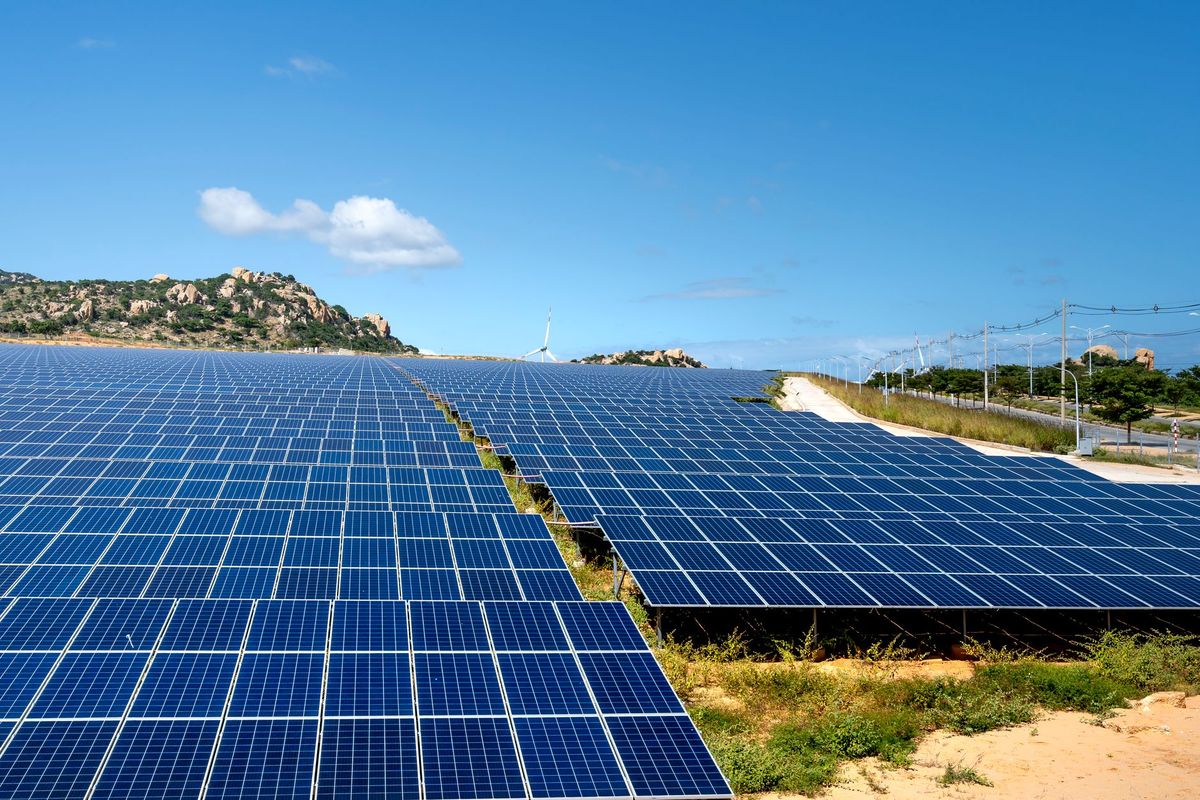
According to a report by TV9 Gujarati, India has achieved a 17-fold increase in its solar energy production capacity since 2018. The report suggests that this rapid expansion has significantly impacted the global solar market, which has historically been dominated by Chinese manufacturing and supply chains. The outlet characterizes this shift as a major challenge to China's influence in the renewable energy sector.
The report further claims that Chinese observers have compared India’s growing role in solar energy production to a 'Stalingrad' moment, implying a significant turning point that has disrupted China's established market dominance. However, there is no official confirmation or record of such rhetoric being used by Chinese government officials or major state-run media outlets regarding India's specific solar energy milestones.
India has indeed been aggressively pursuing renewable energy targets as part of its climate commitments, investing heavily in domestic manufacturing through initiatives like the Production Linked Incentive (PLI) scheme. These policies are designed to reduce reliance on imported components and establish India as a global hub for solar technology. While the growth in capacity is a matter of public record, the specific framing of the situation as a 'Stalingrad' event remains unverified and appears to be an interpretation of market competition rather than a documented diplomatic or economic assessment.
Truth Score
65/100
Developing
Why this score
While India has significantly expanded its solar capacity since 2018, the claim that China has officially described this progress as a 'Stalingrad' moment is not supported by credible international reporting. The use of hyperbolic military metaphors in this context appears to be an editorialized framing rather than a verified diplomatic or economic statement from Chinese authorities.
Red Flags
- inflammatory framing
- fabricated quote
Cross-checked against
No corroborating trusted sources found.
Original report: TV9 Gujarati