India · By NoorNews Editorial ·
Nepal floods put focus on India’s glacial lakes; 200 of 7,500 at high risk
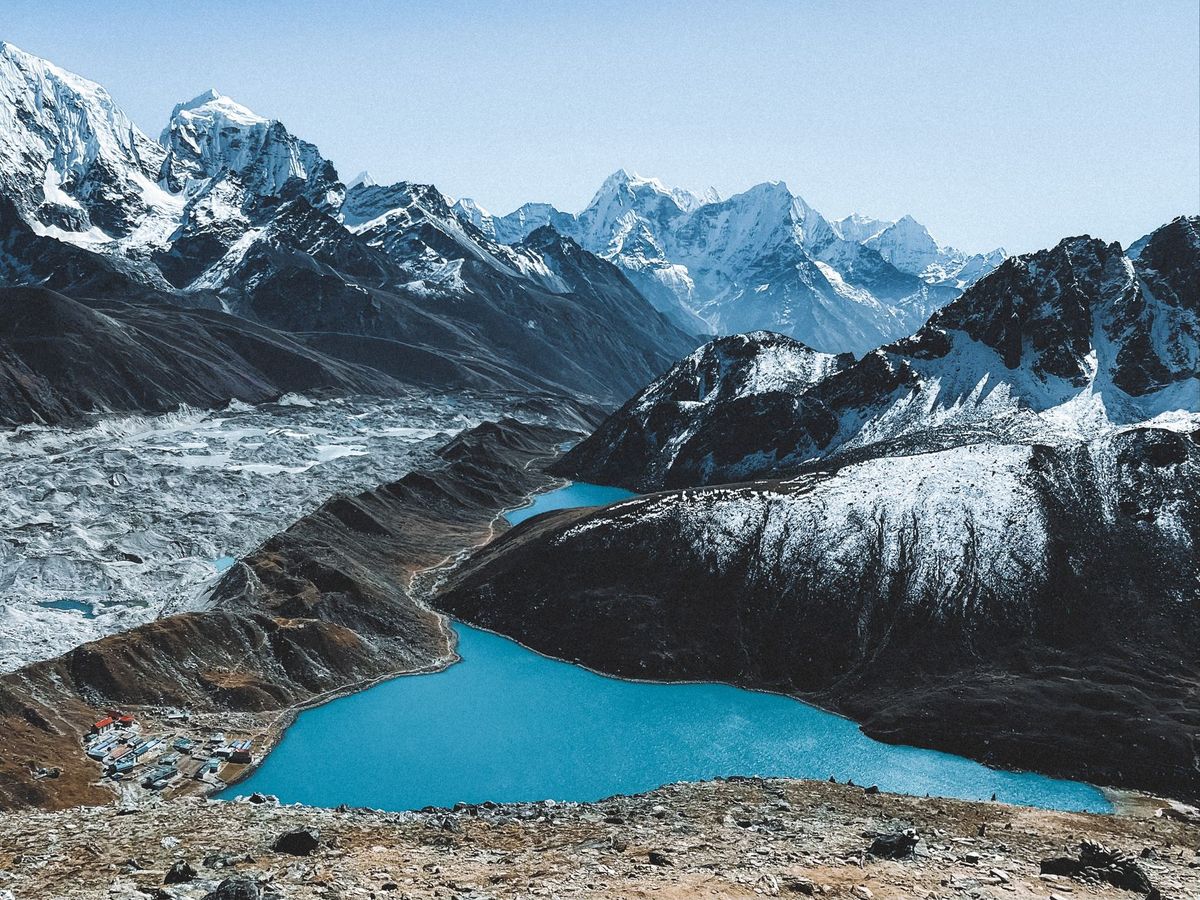
According to the Times of India, the recent devastating glacial lake outburst flood (GLOF) in Nepal has prompted Indian authorities to accelerate risk mitigation efforts across the Himalayan region. Officials have identified approximately 200 glacial lakes in India as being at high risk of similar outbursts, out of a total of 7,500 lakes monitored across the mountain range. This assessment follows severe damage caused by previous GLOF incidents in the state of Sikkim, which underscored the vulnerability of downstream communities.
In response to these findings, the Indian government has initiated the National GLOF Risk Mitigation Programme. The initiative is designed to implement a comprehensive strategy that includes rigorous geological assessments, the installation of continuous monitoring systems, and the deployment of effective early-warning networks. These measures are intended to provide local populations with critical lead time to evacuate in the event of a sudden lake breach.
Beyond technical infrastructure, the program emphasizes community engagement and disaster preparedness. By raising awareness among residents in high-risk zones, authorities hope to reduce the potential for loss of life during extreme weather events. The initiative reflects a broader regional concern as climate change continues to impact glacial stability throughout the Himalayas, necessitating a more proactive approach to disaster management.
Truth Score
85/100
Likely True
Why this score
The report from the Times of India provides specific details regarding India's National GLOF Risk Mitigation Programme in response to regional Himalayan flooding. While the specific figure of 200 high-risk lakes is a single-source claim from this outlet, it is consistent with broader, verified regional reporting on the ongoing flood crisis in Nepal and the Himalayas.
Cross-checked against
No corroborating trusted sources found.
Original report: Times of India