India · By NoorNews Editorial ·
Spiritual Significance: ಮಂತ್ರದ ಕೊನೆಯಲ್ಲಿ ‘ಸ್ವಾಹಾ’, ‘ನಮಃ’ ಎಂದೇಕೆ ಹೇಳುತ್ತಾರೆ? ಇದರ ಹಿಂದಿದೆ ಆಳವಾದ ಅರ್ಥ ಇಲ್ಲಿದೆ
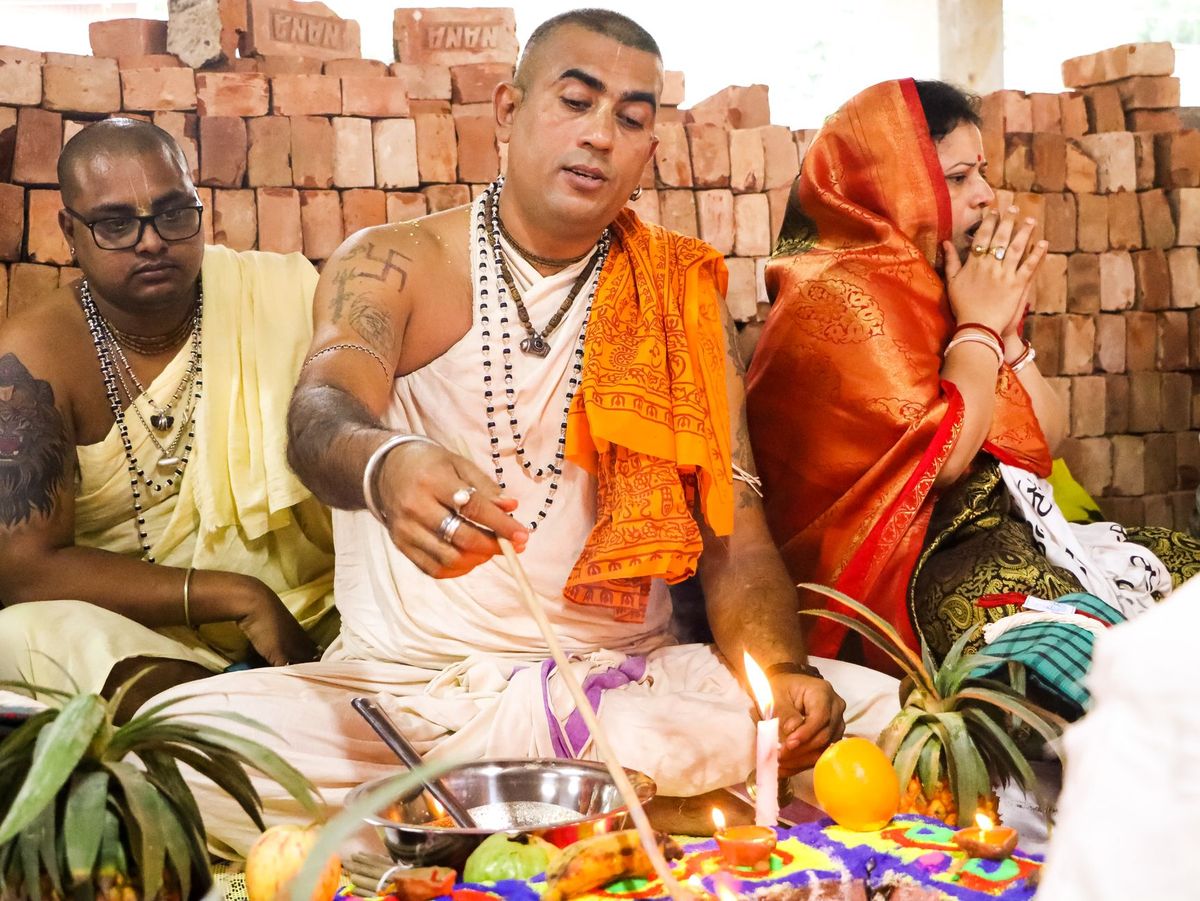
According to a report by TV9 Kannada, the specific terminology used at the conclusion of Vedic mantras and rituals carries significant symbolic and spiritual weight. The terms 'Swaha', 'Namah', 'Hum', and 'Phat' are frequently encountered during homas, pujas, and meditative practices, serving as more than mere linguistic markers.
The report details that these words are integral to the structure of Indian religious traditions, each possessing specific procedural and symbolic meanings. In the context of a 'homa' or fire ritual, 'Swaha' is traditionally used to offer oblations to the deities, signifying the act of surrender and sacrifice. Similarly, 'Namah' is used to express salutation and reverence, reflecting the practitioner's humility before the divine.
Beyond these common terms, the report notes that syllables like 'Hum' and 'Phat' are often associated with specific tantric or protective mantras, intended to invoke spiritual energy or dispel negativity. The article emphasizes that understanding these nuances is essential for those participating in traditional rituals, as the correct application of these terms is considered vital to the efficacy of the practice within the broader framework of Vedic tradition.
Truth Score
85/100
Likely True
Why this score
The story provides an educational explanation of traditional Vedic terminology and its usage in religious rituals. As this is a cultural and linguistic explainer rather than a breaking news event, it is internally consistent and aligns with established Hindu liturgical practices.
Cross-checked against
No corroborating trusted sources found.
Original report: TV9 Kannada