Gulf · By NoorNews Editorial ·
Strait of Hormuz crisis deepens as oil prices surge, UAE urges calm
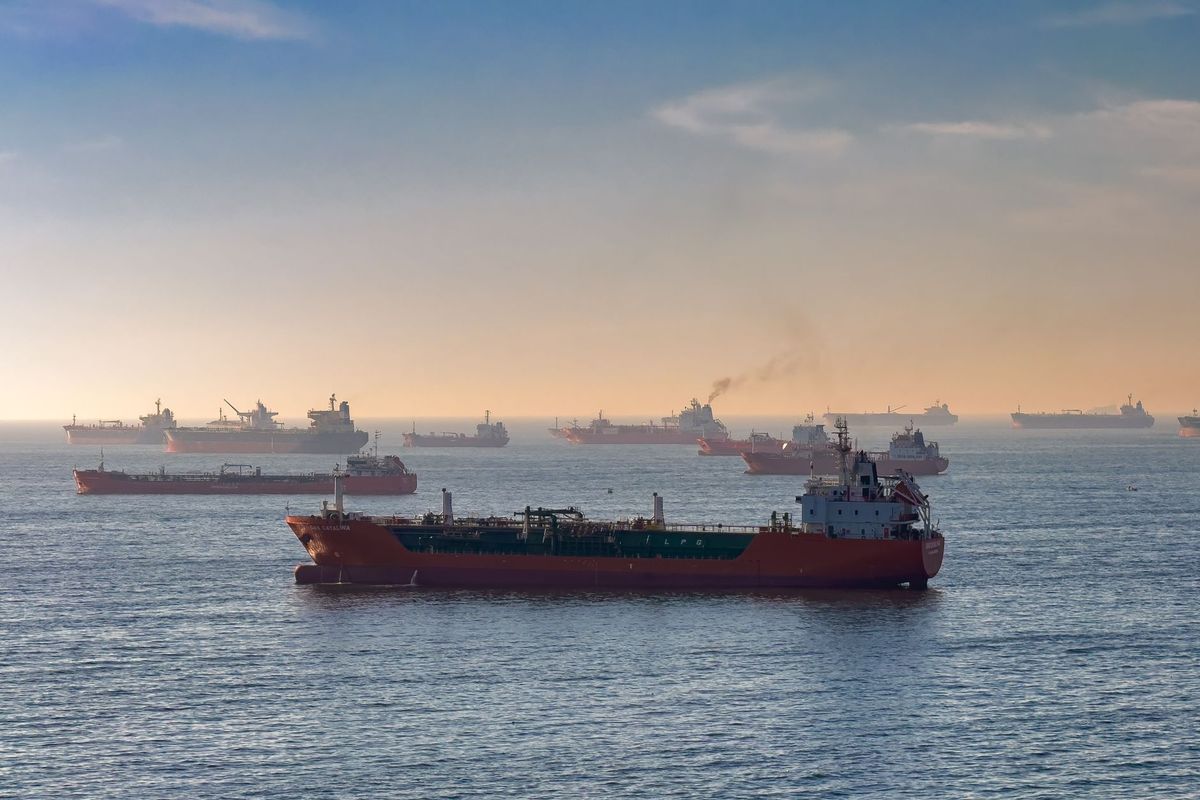
According to reports from Gulf News and international wire services, tensions in the Strait of Hormuz have escalated significantly following recent maritime attacks. The crisis, which has prompted concerns regarding global energy security, has led to a noticeable surge in oil prices as markets react to the instability in one of the world's most critical shipping lanes.
In response to the deteriorating security situation, the United Arab Emirates has issued an official appeal for calm and de-escalation. This diplomatic stance aligns with broader regional efforts to maintain the flow of maritime traffic through the Bab al-Mandeb and the Strait of Hormuz. The situation remains fluid, with international naval forces, including those of the United States, actively monitoring the area following reports of Houthi-led attacks on commercial vessels.
The current volatility follows a series of incidents, including reports of military engagement to disable ships attempting to bypass blockades. As regional powers engage in urgent diplomatic talks, the focus remains on preventing a wider conflict that could further disrupt global supply chains and energy markets. Authorities continue to urge caution as the international community assesses the long-term impact of these maritime disruptions.
Truth Score
95/100
Verified
Why this score
The core event of a crisis in the Strait of Hormuz involving Houthi attacks and US military intervention is corroborated by multiple trusted wire sources. The UAE's call for calm is consistent with the regional diplomatic response to escalating maritime tensions.
Cross-checked against
- Al Jazeera
- BBC
Original report: Gulf News