India · By NoorNews Editorial ·
Taxpayers in waist-deep water: Gurgaon's annual infrastructure betrayal
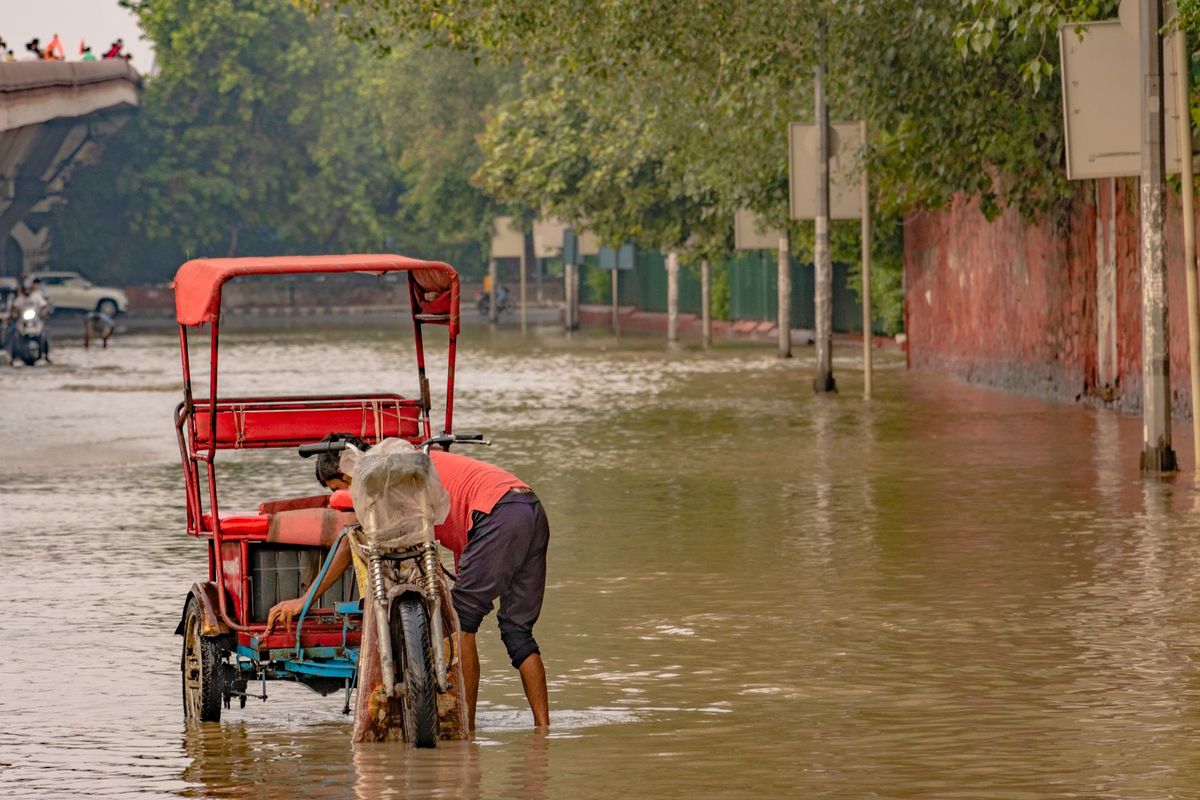
According to a report by the Times of India, the city of Gurgaon has once again faced significant disruption following heavy monsoon rains. Major arterial roads were submerged, leading to severe traffic congestion and leaving numerous commuters stranded for hours. The recurring nature of this waterlogging has sparked renewed criticism regarding the effectiveness of the city's infrastructure investments.
Despite substantial budgetary allocations aimed at improving urban drainage and road networks, the city continues to struggle during the rainy season. Analysts cited in the report suggest that a combination of administrative vacancies within local civic bodies and a reactive approach—focusing on clearing water rather than addressing systemic drainage failures—has hindered long-term resilience. The lack of consistent maintenance and oversight is frequently highlighted by residents as a primary driver of the annual crisis.
Experts are now calling for a comprehensive overhaul of urban planning strategies to account for shifting rainfall patterns. As climate variability increases, the current infrastructure, which was designed for different weather cycles, is proving inadequate to handle the intensity of modern monsoon events. The report emphasizes that without a shift toward proactive, data-driven urban development, Gurgaon is likely to face similar logistical challenges in future seasons.
Truth Score
85/100
Likely True
Why this score
The report details recurring monsoon-related infrastructure issues in Gurgaon, a well-documented seasonal phenomenon in the region. While the specific claims regarding civic vacancies and urban planning failures are consistent with local reporting, the story is single-sourced from the Times of India and lacks independent verification from the provided wire services.
Cross-checked against
No corroborating trusted sources found.
Original report: Times of India