India · By NoorNews Editorial ·
ഉപേക്ഷിച്ച നൈലോൺ വലകൾ മണ്ണിനും കടലിനും ഭീഷണി
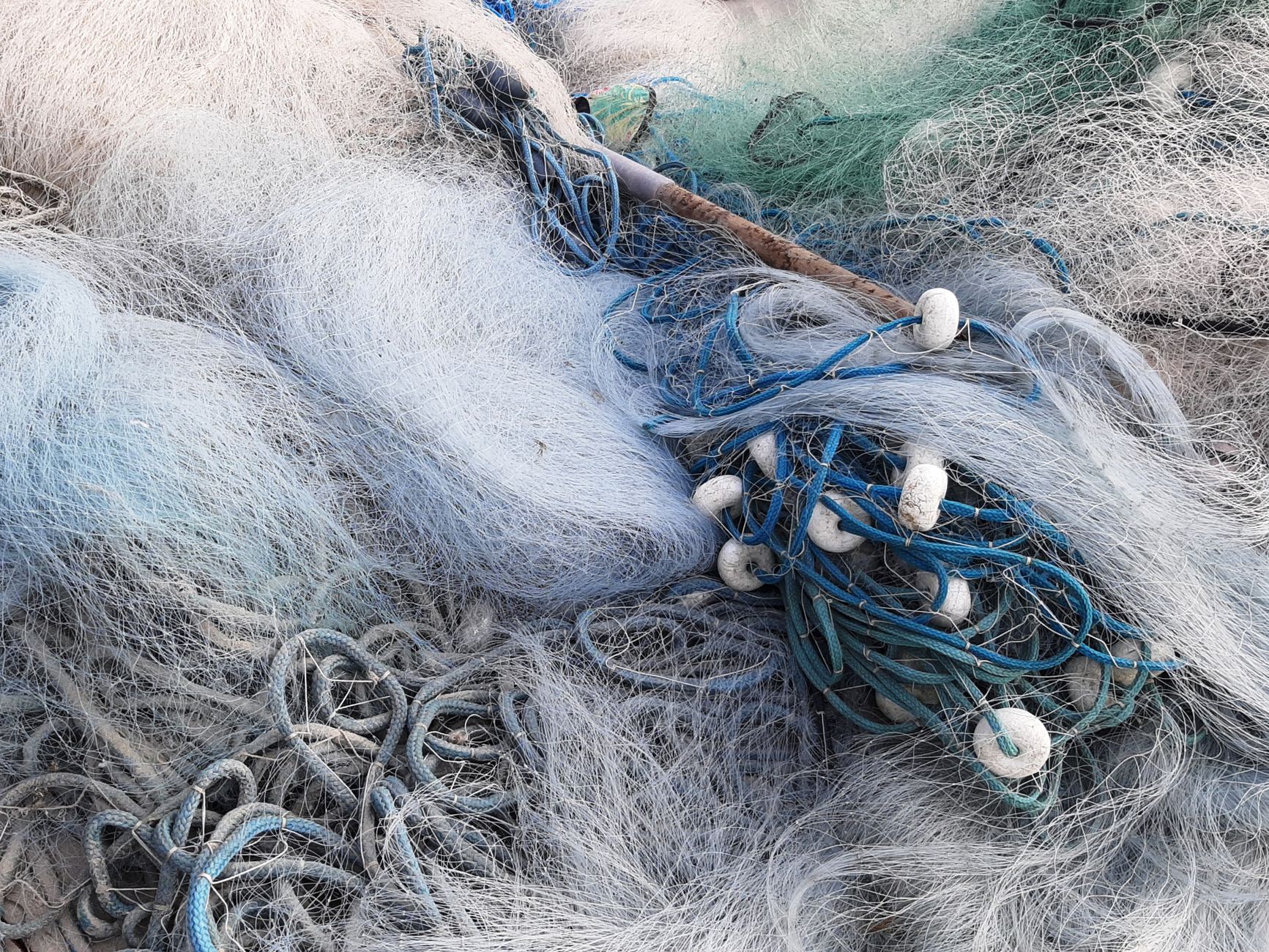
According to Mathrubhumi News, discarded nylon fishing nets are posing a significant and growing threat to both soil health and marine ecosystems. The report details how these synthetic materials, often left behind by commercial fishing operations, do not biodegrade, instead breaking down into microplastics that contaminate coastal environments and agricultural land near shorelines.
Environmental experts cited in the report emphasize that the durability of nylon, which makes it ideal for fishing, becomes a liability once the gear is abandoned. These 'ghost nets' continue to trap marine life, leading to unnecessary mortality, while their presence in the soil disrupts local ecosystems and potentially enters the food chain. The accumulation of these materials has been identified as a critical challenge for coastal management and environmental conservation efforts.
Local authorities and environmental groups are increasingly calling for stricter regulations on the disposal of fishing gear and the implementation of collection programs to mitigate the damage. The report serves as a reminder of the broader ecological footprint of the fishing industry and the urgent need for sustainable waste management practices to protect vulnerable coastal habitats from long-term degradation.
Truth Score
85/100
Likely True
Why this score
The report highlights the environmental impact of discarded nylon fishing nets, a well-documented ecological issue. While the story is single-sourced from Mathrubhumi, the subject matter aligns with established scientific consensus regarding marine pollution and soil degradation.
Cross-checked against
No corroborating trusted sources found.
Original report: Mathrubhumi News