India · By NoorNews Editorial ·
வாழையில் இவ்வளவு நன்மைகளா? கோடிகளைக் கொடுக்கும் கற்பக நார்!
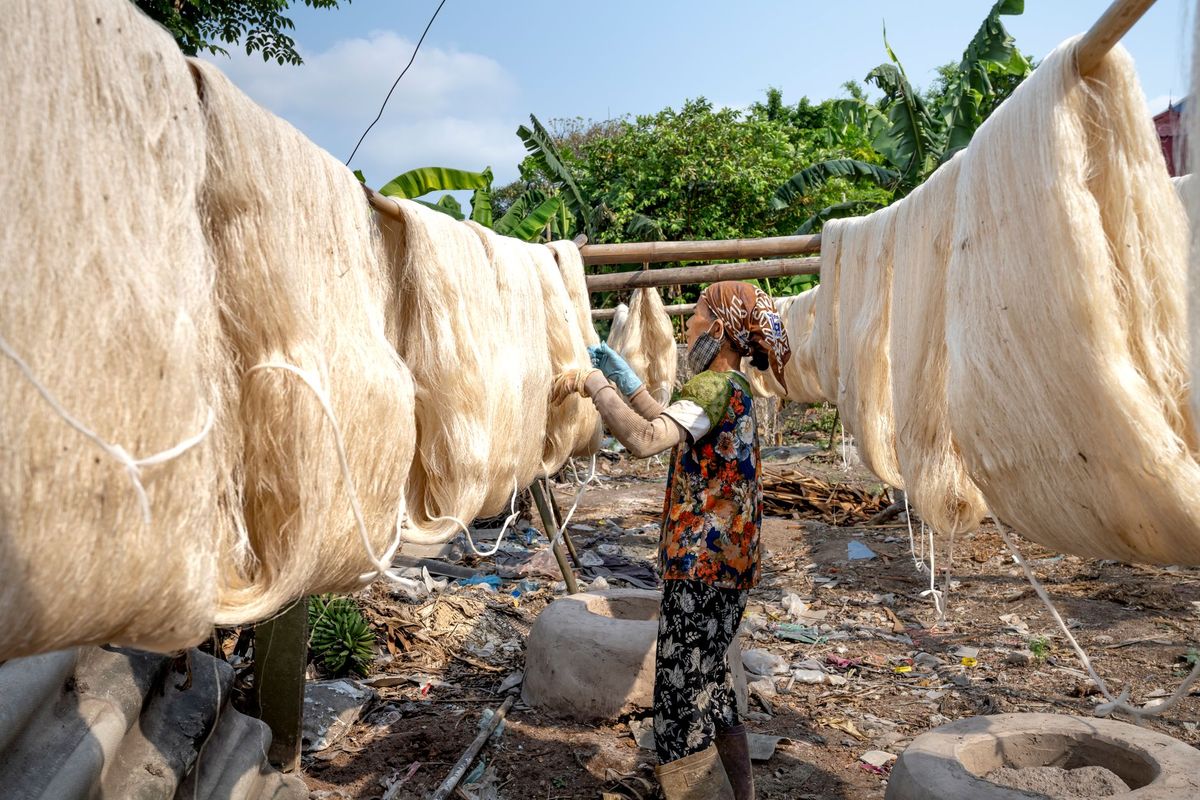
According to a report by Puthiya Thalaimurai, the banana plant is increasingly being recognized for its significant economic value beyond fruit production, specifically through the extraction and utilization of its fiber. Often referred to as 'karpaga naar' due to its versatility and durability, banana fiber is gaining traction as a sustainable material in the textile and handicraft sectors.
The report highlights that the process of extracting fiber from banana stalks, which are typically discarded as agricultural waste after harvest, provides farmers with an additional stream of income. By converting these stalks into high-quality fiber, rural entrepreneurs and agricultural cooperatives are finding new markets in eco-friendly fashion and home decor industries.
Industry experts suggest that the growing global demand for biodegradable and sustainable materials positions banana fiber as a viable alternative to synthetic fibers. As awareness of these benefits spreads, local initiatives are focusing on training farmers in extraction techniques to maximize the commercial utility of the plant, potentially transforming agricultural waste into a lucrative commodity for the rural economy.
Truth Score
75/100
Likely True
Why this score
The story discusses the economic potential of banana fiber (often referred to as 'karpaga naar' in Tamil) as a sustainable and profitable agricultural product. While it is a niche agricultural report rather than a breaking news event, it aligns with established trends in sustainable textile and handicraft industries in India.
Cross-checked against
No corroborating trusted sources found.
Original report: Puthiya Thalaimurai